%2Ffit-in%2F250x250%2Fguide_websites%2F10666%2Fimages%2Fbwc.jpeg&w=1920&q=100)
/users/149096c0-66d1-4d84-a7a6-753e213df080/ratecard/60166430_2255789424686216_8206327036747186176_n-mm2vzatq.jpg)
%2F300x300%2Fusers%2F149096c0-66d1-4d84-a7a6-753e213df080%2Fratecard%2F60166430_2255789424686216_8206327036747186176_n-mm2vzatq.jpg&w=256&q=75)
%2F300x300%2Fusers%2F149096c0-66d1-4d84-a7a6-753e213df080%2Fimages%2Fhomosassa-redfish-catch-florida-fishing-2700.jpg&w=256&q=75)
%2F300x300%2Fusers%2F149096c0-66d1-4d84-a7a6-753e213df080%2Fimages%2Fhomosassa-redfish-triple-catch-2819.jpg&w=256&q=75)
%2F300x300%2Fusers%2F149096c0-66d1-4d84-a7a6-753e213df080%2Fimages%2Fhomosassa-snook-fishing-catch-2689.jpg&w=256&q=75)
%2F300x300%2Fusers%2F149096c0-66d1-4d84-a7a6-753e213df080%2Fimages%2Fdouble-redfish-catch-homosassa-fl-2743.jpg&w=256&q=75)
%2F300x300%2Fusers%2F149096c0-66d1-4d84-a7a6-753e213df080%2Fimages%2Fhomosassa-redfish-catch-florida-2632.jpg&w=256&q=75)
%2F300x300%2Fusers%2F149096c0-66d1-4d84-a7a6-753e213df080%2Fimages%2Fhomosassa-snook-charter-catch-2752.jpg&w=256&q=75)
%2F300x300%2Fusers%2F149096c0-66d1-4d84-a7a6-753e213df080%2Fimages%2Fhomosassa-redfish-catch-fishing-2708.jpg&w=256&q=75)
%2F300x300%2Fusers%2F149096c0-66d1-4d84-a7a6-753e213df080%2Fimages%2Fhomosassa-redfish-catch-florida-2722.jpg&w=256&q=75)
%2F300x300%2Fusers%2F149096c0-66d1-4d84-a7a6-753e213df080%2Fimages%2Fhomosassa-speckled-trout-catch-2593.jpg&w=256&q=75)
%2F300x300%2Fusers%2F149096c0-66d1-4d84-a7a6-753e213df080%2Fimages%2Fhomosassa-redfish-fishing-charter-2769.jpg&w=256&q=75)
Buccaneer West Coast Year Round Homosassa Charter
 Florida
What you will be catching:
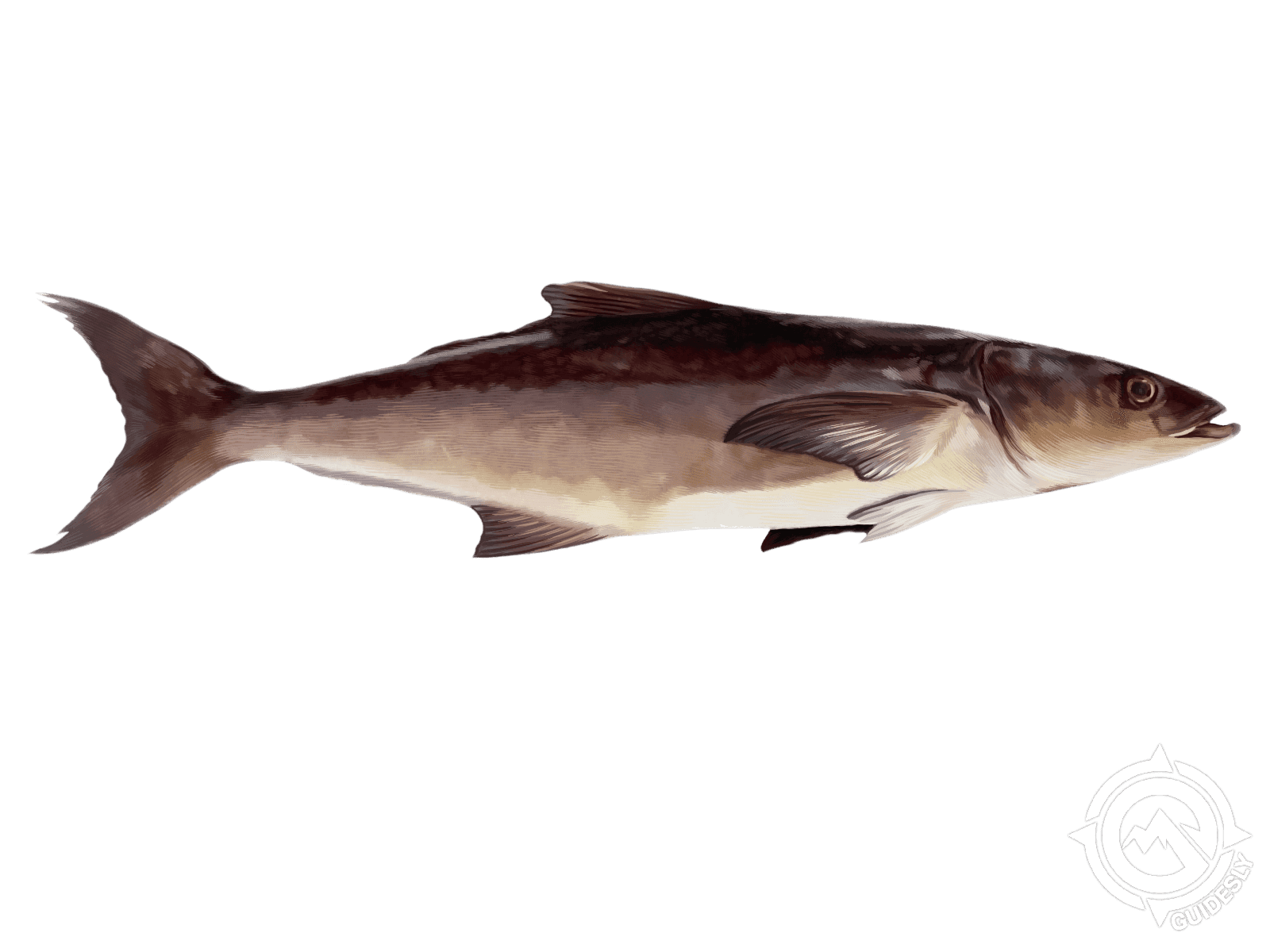
 Cobia
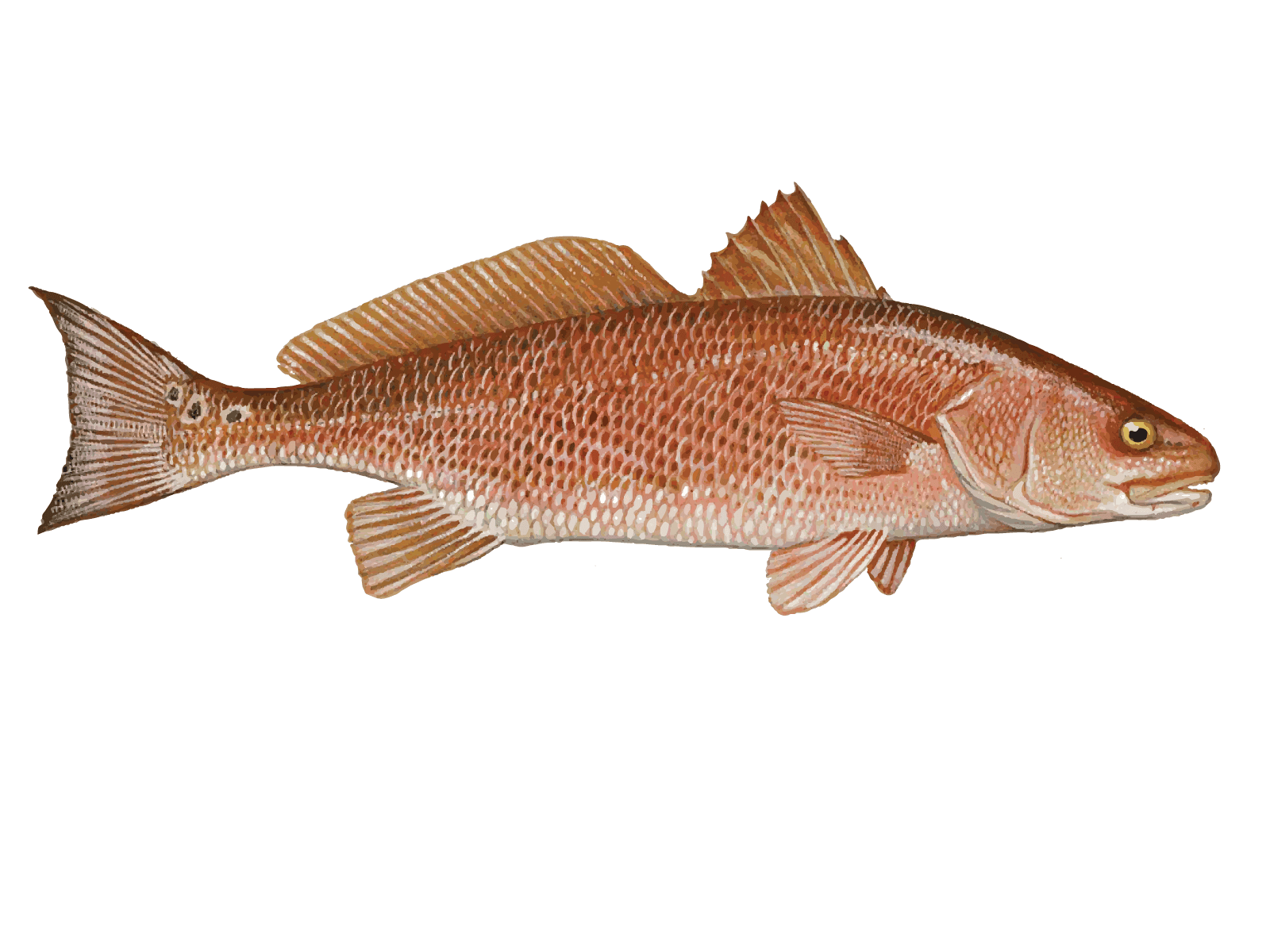
Cobia Redfish
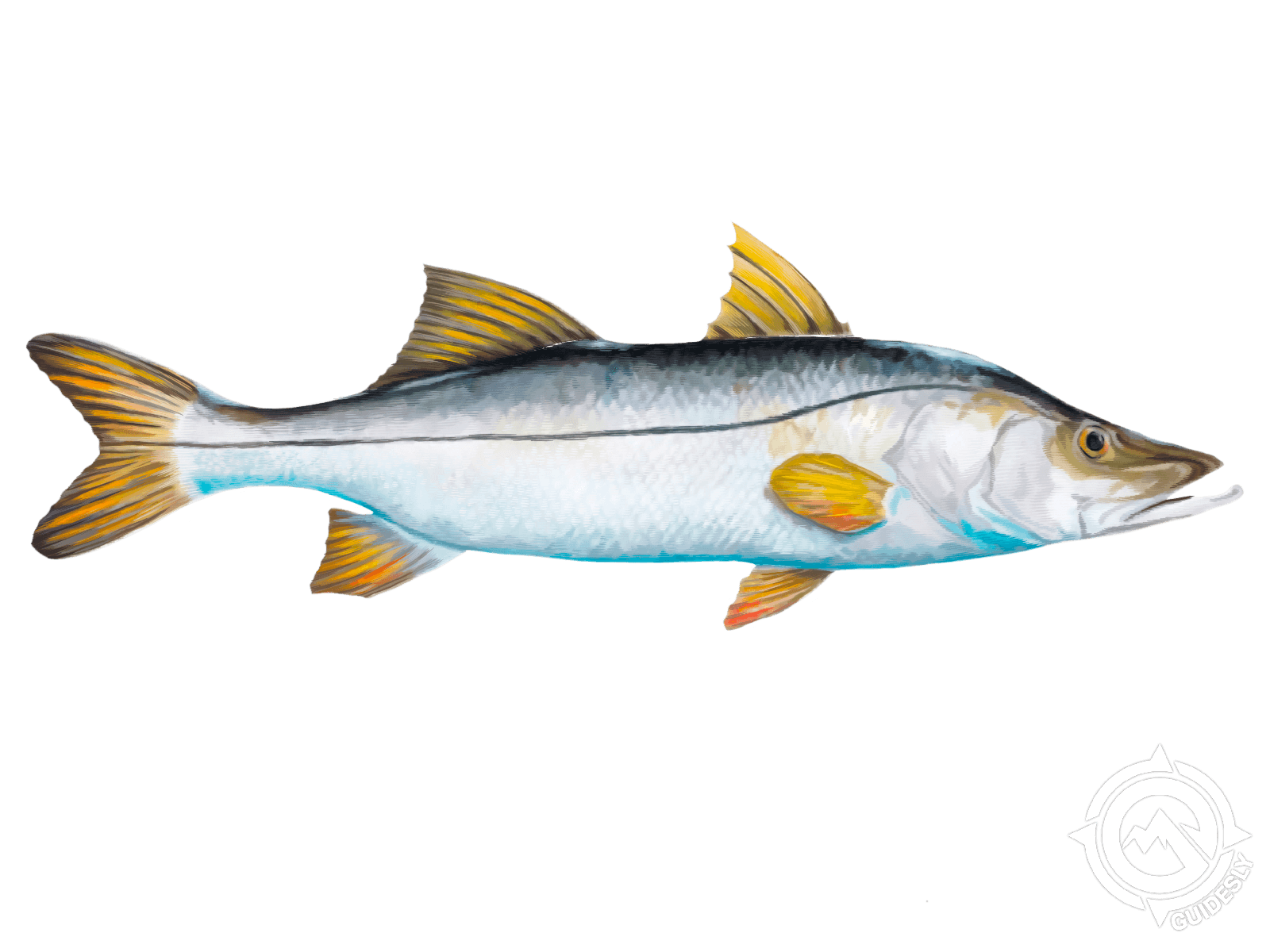
 Snook
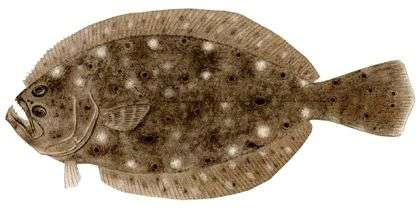
Snook Summer Flounder
 Tarpon
- 6-hour private charter targeting redfish, cobia, trout, and snook
- All equipment, tackle, and saltwater licenses included with service
- Maximum 2 guests for personalized attention and optimal fishing experience
Trip Pricing and Availabilities:
Year Round Homosassa Beach Fishing Charter
If you're looking for a top-rated inshore fishing experience on Florida's Nature Coast, this 6-hour private charter out of Homosassa Beach delivers exactly what serious anglers are after. Captain and crew from Buccaneer West Coast Charters know these grass flats and backcountry creeks like the back of their hand, and they've put together a fishing trip that works whether you're a weekend warrior or someone who lives for the bite. You'll spend your day targeting some of the Gulf Coast's most sought-after species – redfish, snook, cobia, tarpon, and summer flounder – using both live bait and artificial lures depending on what the fish are telling us. This isn't some cookie-cutter operation either; every trip gets tailored to the tides and conditions, so you're always fishing when and where it matters most.
What to Expect on the Water
Your charter kicks off bright and early, with all the gear you need already rigged and ready to go. We're talking quality rods, reels, and tackle that can handle everything from schoolie reds to bull redfish pushing 40 inches. The beauty of fishing Homosassa's inshore waters is the variety – one minute you're working a topwater plug over a grass flat for trout, the next you're pitching live shrimp into a mangrove pocket hoping a snook comes out to play. The captain adjusts the game plan throughout the day based on what's working, whether that means running structure for cobia or sliding back into the skinny water where the big reds like to cruise. Your saltwater license is covered, so all you need to worry about is bringing plenty of water, some snacks, and maybe a cooler if you want to take home dinner. The boat handles up to two anglers, which means you're not fighting for rod space or competing with a crowd – just you, your fishing partner, and six solid hours of some of the best inshore action Florida has to offer.
Tactics That Get Results
The approach here is all about reading the water and adapting to what the fish want on any given day. In the grass flats, we'll work everything from suspending twitch baits to soft plastics rigged on jig heads, covering water until we find the schools. When the bite calls for it, live bait is the way to go – nothing beats a frisky shrimp or pilchard when the fish are being picky. The backcountry creeks require a different touch entirely; these are ambush spots where stealth and precision casting matter more than covering ground. You'll learn to work dock lights, oyster bars, and mangrove edges where predator fish set up to feed. The captain knows which spots fire at different tide stages, so whether it's an incoming tide pushing bait into the shallows or an outgoing tide concentrating fish in the deeper cuts, you'll be in the right place at the right time. The gear is matched to the technique – lighter spinning tackle for finesse presentations, heavier baitcasting setups when you need to muscle fish out of heavy cover.
Species You'll Want to Hook
Snook are the crown jewel of inshore fishing around Homosassa, and for good reason. These ambush predators love to hang around structure – docks, mangroves, bridge pilings – anywhere they can pin baitfish against cover. They're notorious for their gill-rattling jumps and bulldogging runs, plus they're just plain beautiful fish with that distinctive black lateral line. Peak snook action happens during the warmer months, but you can find them year-round if you know where to look. What makes them so addictive is their attitude – they'll absolutely crush a topwater plug at dawn, then turn completely stubborn and require the most delicate presentation you can muster.
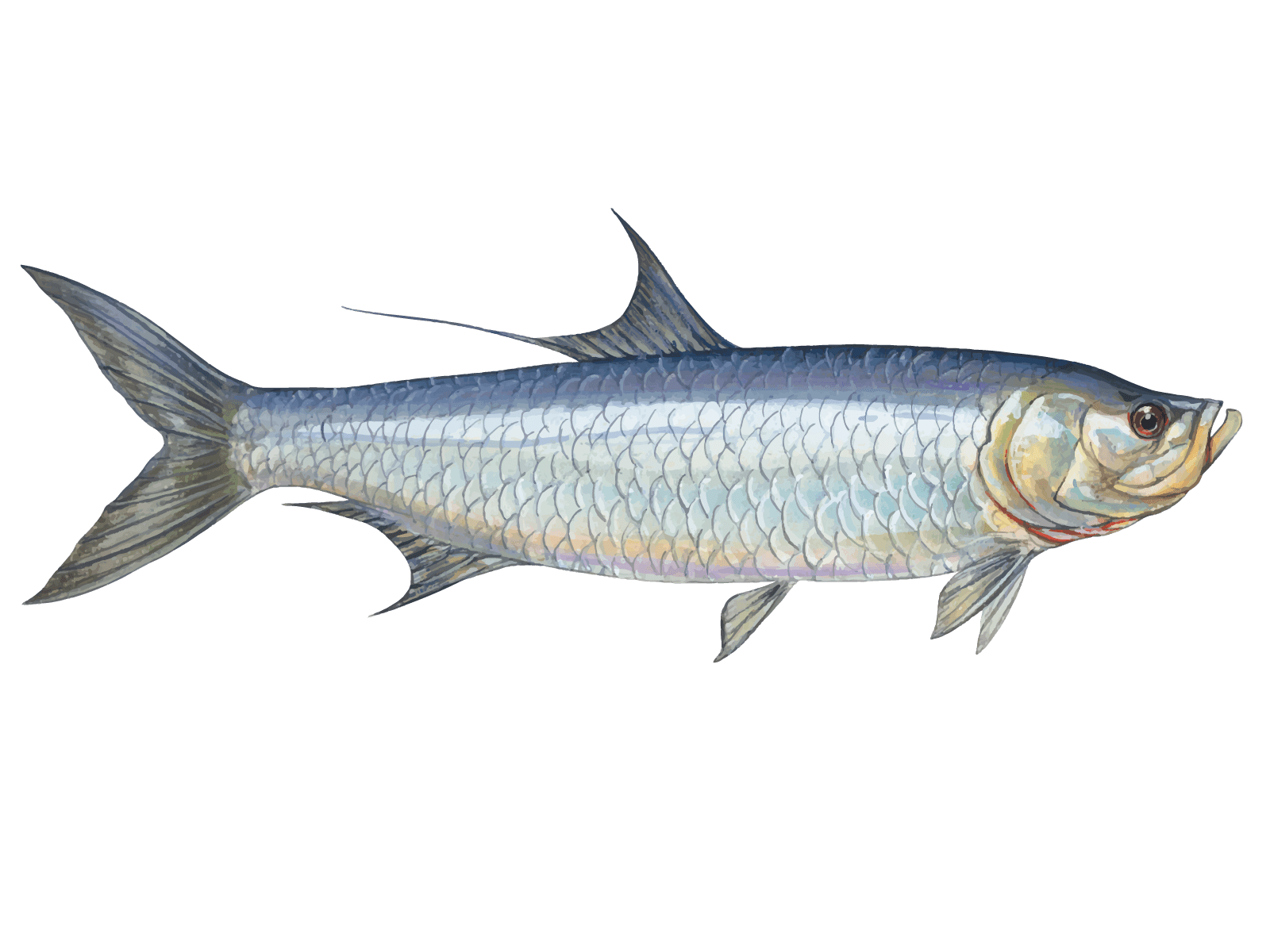
Tarpon fishing in these waters is something every angler should experience at least once. We're not talking about the massive 150-pound silver kings you'd chase offshore, but the juvenile tarpon in the 20-80 pound range that populate the backcountry year-round. These fish are pure electricity when hooked – launching themselves completely out of the water in a series of cartwheeling jumps that'll get your heart racing. They're also notorious for throwing hooks, which makes every landed tarpon feel like a real achievement. The best part about Homosassa tarpon fishing is consistency; while the bigger fish show up in spring and summer, you've got a legitimate shot at hooking one any month of the year.
Summer flounder might not win any beauty contests, but they're some of the best eating fish in these waters and they fight harder than most people expect. These flatfish are masters of camouflage, burying themselves in sandy bottoms near grass edges and structure. The trick is working baits slowly along the bottom – they're not going to chase down a fast-moving lure. When a good flounder hits, it feels like you've hooked into a garbage can lid that's trying to swim away. The fishing peaks during summer months when they're most active, but spring and fall can produce some real doormat-sized fish.
Redfish are the bread and butter of inshore fishing here, and Homosassa's grass flats are famous for producing some真正的 bruiser reds. These copper-colored fighters are built for the shallows, with powerful tails that can push them through water so skinny it barely covers their backs. You'll spot them tailing in the grass beds or cruising the flats in small schools, and when you hook into a bull red over 27 inches, you're in for a serious battle. They're year-round residents, but fall and winter often produce the biggest fish as they school up for their spawning runs.
Cobia are the wildcards of this fishery – you never know when one might show up to make your day. These brown sharks (they're actually not sharks at all) are curious fish that will often approach the boat, giving you a shot at sight-casting to them.
Learn more about the species
Cobia
Cobia are the bulldogs of our waters - dark brown fish that can easily hit 40+ pounds and fight like trucks. They're often mistaken for sharks with their dorsal fin cutting the surface. We find them around structure like channel markers, wrecks, and crab trap floats, usually in 15-40 feet of water. Spring migration from March through May is prime time when they move through our area heading north. These fish are curious and will often approach the boat, making for exciting sight fishing. They're also some of the best eating you'll find - firm, white meat that's restaurant quality. Look for them following rays or sharks, scavenging for stirred-up crabs and shrimp. When you spot one, drop a jig or live bait right in front of their nose - they rarely refuse an easy meal.
Redfish
Redfish are our bread and butter species here in Homosassa - bronze-colored bruisers with distinctive black spots near their tails. Most run 20-30 inches, but we regularly see bulls pushing 35+ inches in deeper water. They love our shallow grass flats, oyster bars, and mangrove edges in 1-4 feet of water. Year-round fishing is solid, but fall and spring offer peak action when they school up. These fish fight hard with bulldogging runs and make excellent eating. They're not picky eaters either - live shrimp, cut bait, or artificials all work. The key is working the skinny water early morning when you can actually see their backs and tails. Watch for nervous water and mullet jumping - that usually means reds are feeding nearby.
Snook
Snook are one of our most popular targets here in Homosassa's backcountry waters. These sleek fish with their distinctive black lateral line typically run 18-28 inches, though we occasionally hook into bigger ones pushing 35+ inches. They love hanging around mangrove shorelines, docks, and creek mouths in 2-8 feet of water. Snook are ambush predators with serious attitude - they'll slam topwater lures and put up a strong fight with those powerful tails. Best action happens during warmer months, especially around dawn and dusk when they're actively feeding. They're excellent table fare too. Pro tip: cast your live shrimp or pinfish right up against the mangroves where they hide - that's where the bigger ones wait.
Summer Flounder
Summer flounder are the masters of disguise on our sandy bottoms and grass edges. These flatfish typically run 15-20 inches and can change color to match whatever they're lying on. They're ambush predators that bury themselves in sand or mud, waiting for baitfish to swim by. While more common up north, we do see them here during cooler months in 8-25 feet of water around structure and drop-offs. They make excellent table fare with sweet, flaky white meat. The trick is slow presentation - drag your bait right along the bottom since they won't chase it far. Live minnows or strip baits work best. When you feel that subtle tap-tap, count to three before setting the hook - they need time to turn the bait around in their sideways mouth.
Tarpon
The "Silver King" is what dreams are made of - these prehistoric giants can reach 100+ pounds and 6 feet long around Homosassa. They cruise our shallow flats and deeper channels, often rolling on the surface to gulp air. Spring through fall offers the best shots, especially during their spawning runs. When a tarpon hits, get ready for pure power - they'll jump repeatedly trying to shake the hook. Most anglers practice catch-and-release since they're not great eating and take decades to mature. We typically find them in 4-15 feet of water near structure or current breaks. My advice: keep steady pressure but don't horse them - let them tire themselves out with those spectacular jumps, and always bow to the fish when they go airborne to avoid breaking your line.
About the Sea Ark
%2F%2Fusers%2F149096c0-66d1-4d84-a7a6-753e213df080%2Fvehicle_picture%2Fsea_ark.jpg&w=1920&q=75)
Vehicle Guest Capacity: 6
Manufacturer Name: Mercury
Maximum Cruising Speed: 35
Number of Engines: 1
Horsepower per Engine: 225
Get ready for some serious fishing action on Florida's Nature Coast! This 6-hour private charter takes you and one other angler into the prime waters around Homosassa Beach, where Redfish, Cobia, Trout, and Snook are waiting. We'll cruise through grass flats and winding backcountry creeks, timing everything perfectly with the tides for maximum success. Your saltwater license, top-notch rods, reels, and tackle are all included, so just bring yourself and get ready to fish. We mix it up with live bait and artificial lures depending on what's biting. Whether you're a seasoned pro or just starting out, this Gulf Coast adventure runs year-round and delivers the kind of fishing memories that keep you coming back. The boat handles two guests comfortably, making it perfect for a fishing buddy trip or one-on-one guidance.