%2Ffit-in%2F250x250%2Fguide_websites%2F10666%2Fimages%2Fbwc.jpeg&w=1920&q=100)
/users/149096c0-66d1-4d84-a7a6-753e213df080/ratecard/486439664_1390128422410811_2552682080457896846_n-mm2vy37a.jpg)
%2F300x300%2Fusers%2F149096c0-66d1-4d84-a7a6-753e213df080%2Fratecard%2F486439664_1390128422410811_2552682080457896846_n-mm2vy37a.jpg&w=256&q=75)
%2F300x300%2Fusers%2F149096c0-66d1-4d84-a7a6-753e213df080%2Fimages%2Fhomosassa-redfish-catch-florida-fishing-2700.jpg&w=256&q=75)
%2F300x300%2Fusers%2F149096c0-66d1-4d84-a7a6-753e213df080%2Fimages%2Fhomosassa-redfish-triple-catch-2819.jpg&w=256&q=75)
%2F300x300%2Fusers%2F149096c0-66d1-4d84-a7a6-753e213df080%2Fimages%2Fhomosassa-snook-fishing-catch-2689.jpg&w=256&q=75)
%2F300x300%2Fusers%2F149096c0-66d1-4d84-a7a6-753e213df080%2Fimages%2Fdouble-redfish-catch-homosassa-fl-2743.jpg&w=256&q=75)
%2F300x300%2Fusers%2F149096c0-66d1-4d84-a7a6-753e213df080%2Fimages%2Fhomosassa-redfish-catch-florida-2632.jpg&w=256&q=75)
%2F300x300%2Fusers%2F149096c0-66d1-4d84-a7a6-753e213df080%2Fimages%2Fhomosassa-snook-charter-catch-2752.jpg&w=256&q=75)
%2F300x300%2Fusers%2F149096c0-66d1-4d84-a7a6-753e213df080%2Fimages%2Fhomosassa-redfish-catch-fishing-2708.jpg&w=256&q=75)
%2F300x300%2Fusers%2F149096c0-66d1-4d84-a7a6-753e213df080%2Fimages%2Fhomosassa-redfish-catch-florida-2722.jpg&w=256&q=75)
%2F300x300%2Fusers%2F149096c0-66d1-4d84-a7a6-753e213df080%2Fimages%2Fhomosassa-speckled-trout-catch-2593.jpg&w=256&q=75)
%2F300x300%2Fusers%2F149096c0-66d1-4d84-a7a6-753e213df080%2Fimages%2Fhomosassa-redfish-fishing-charter-2769.jpg&w=256&q=75)
Beginner Redfish Cobia Charter Homosassa Beach
 Florida
What you will be catching:
 Cobia
Cobia Redfish
 Snook
Snook Summer Flounder
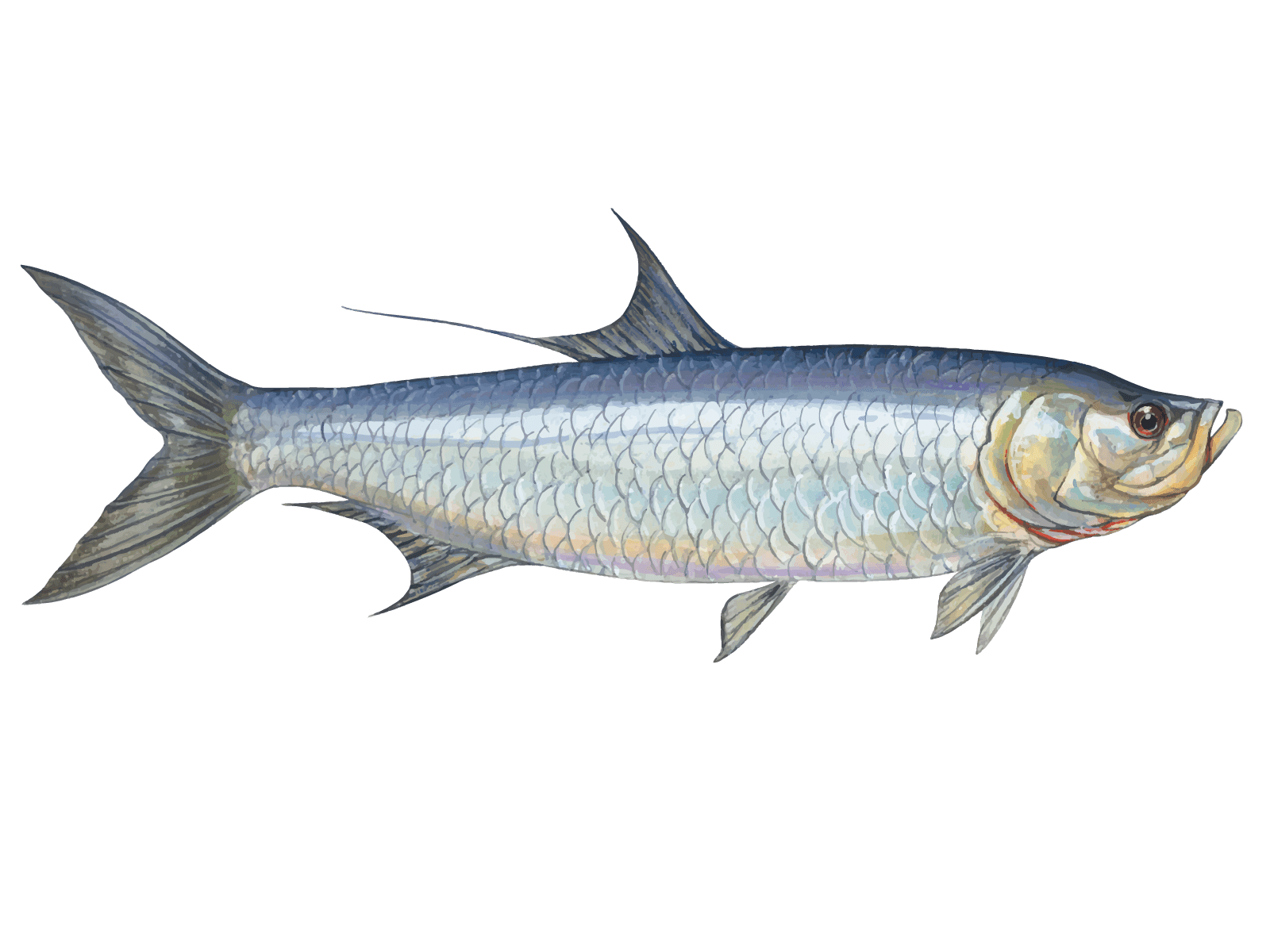
 Tarpon
- 6-hour private charter targeting redfish, cobia, trout, and snook
- Complete gear, tackle, and licenses included with expert instruction
- Beginner-friendly inshore waters with live bait and lure techniques
Trip Pricing and Availabilities:
Full Day Beginner Redfish Charter - Homosassa
Getting started in saltwater fishing can feel overwhelming, but this 6-hour private charter in Homosassa Beach takes all the guesswork out of your first real inshore adventure. You'll spend a full day learning the ropes with an experienced local captain who knows these waters like the back of his hand. We're talking about the kind of guide who's been working these grass flats and backcountry creeks for years, picking up on subtle changes in tide, weather, and fish behavior that make all the difference between a good day and a great one. This isn't some cookie-cutter trip – it's designed specifically for folks who want to learn proper techniques while actually catching fish. The shallow waters around Homosassa provide the perfect classroom for developing your skills, whether you're working live bait around structure or learning to read the water for signs of feeding fish.
What to Expect on the Water
Your day starts early, which is when the fish are most active and the water's still calm from the night. The captain will meet you at the dock and give you a quick rundown of the game plan based on current conditions – maybe the redfish have been tailing in the shallows during the incoming tide, or perhaps there's been good cobia action around the channel markers. This is a private charter for up to 2 people, so you're getting personalized attention throughout the entire trip. The boat stays in relatively shallow water, usually 2-8 feet, which means you can actually see a lot of what's happening below the surface. You'll learn to spot bait schools, recognize different bottom types, and understand how fish use structure and current to their advantage. The guide will adjust techniques based on what's working – sometimes that means switching from live shrimp to artificial lures, or moving from open flats to protected creek mouths where fish stage during different parts of the tide cycle.
Gear Setup and Techniques
All your tackle and equipment is included, from medium-action spinning rods perfect for inshore work to a full selection of terminal tackle sized for the species you're targeting. The captain will show you how to rig both live bait and artificials, explaining when and why to use each approach. Live bait fishing around here usually means shrimp, pinfish, or small crabs – you'll learn to present them naturally while keeping just enough tension to feel the bite. When it comes to lures, you'll work with soft plastics, topwater plugs, and spoons, learning to vary your retrieve based on fish behavior and water conditions. The guide will teach you proper casting techniques for accuracy and distance, plus how to work different areas methodically instead of just randomly throwing bait in the water. You'll also pick up essential skills like reading your rod tip for subtle bites, setting the hook properly, and fighting fish without losing them at the boat. Everything's explained in plain English – no confusing jargon or overly complicated techniques.
Top Catches This Season
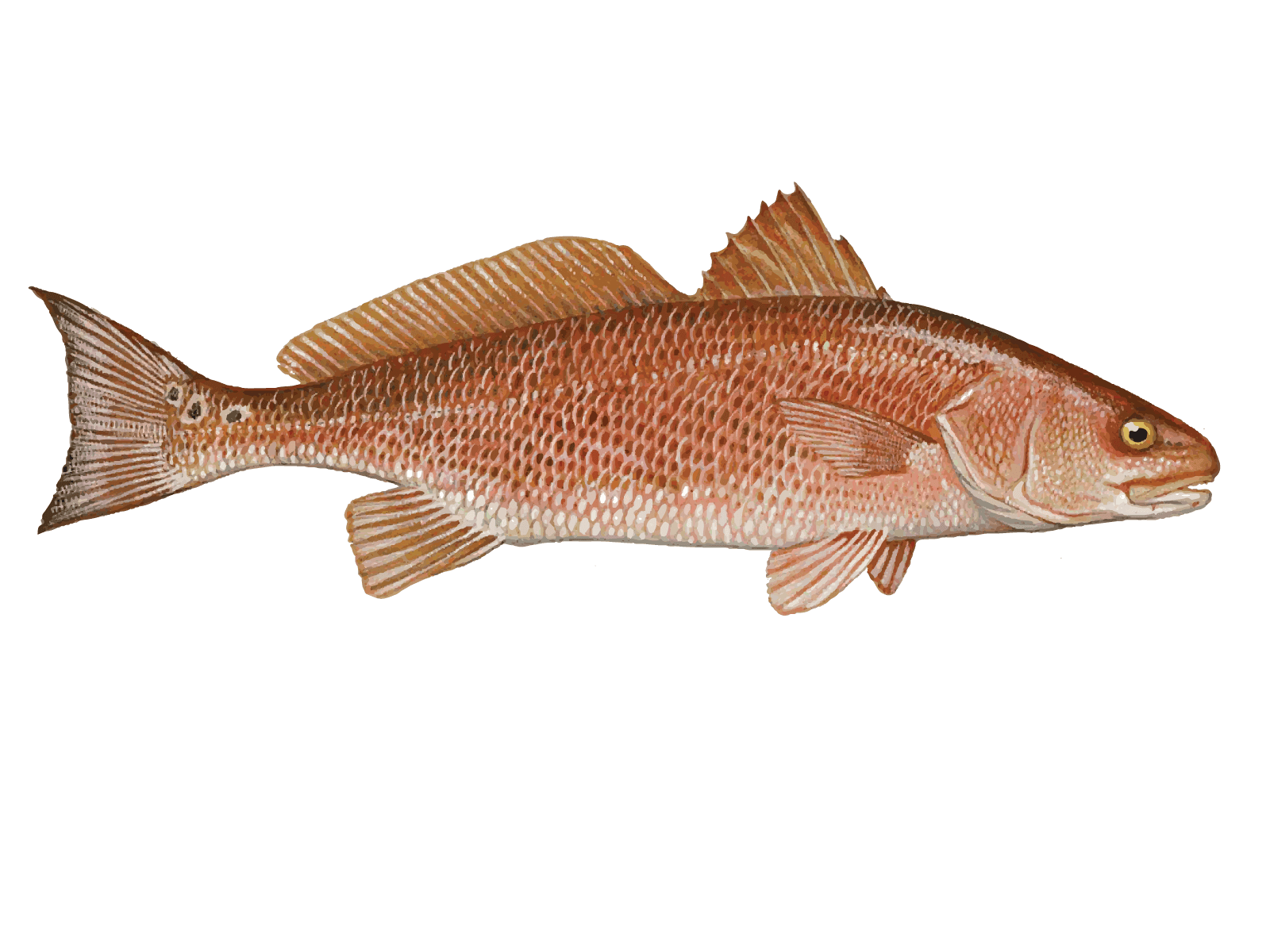
Redfish are the bread and butter of this fishery, and for good reason. These copper-colored fighters typically run 18-30 inches around Homosassa, with plenty of slot-sized fish that provide great action without being too overwhelming for beginners. They're most active during moving water – either incoming or outgoing tide – and love to cruise the grass flats looking for crabs and shrimp. What makes redfish perfect for learning is their aggressive nature and the way they telegraph their presence. You might spot them tailing in shallow water, see them pushing wakes as they move, or notice bait getting nervous in a particular area. Once hooked, they make strong runs and dig hard, but they're not usually jumping around like tarpon or making crazy directional changes.
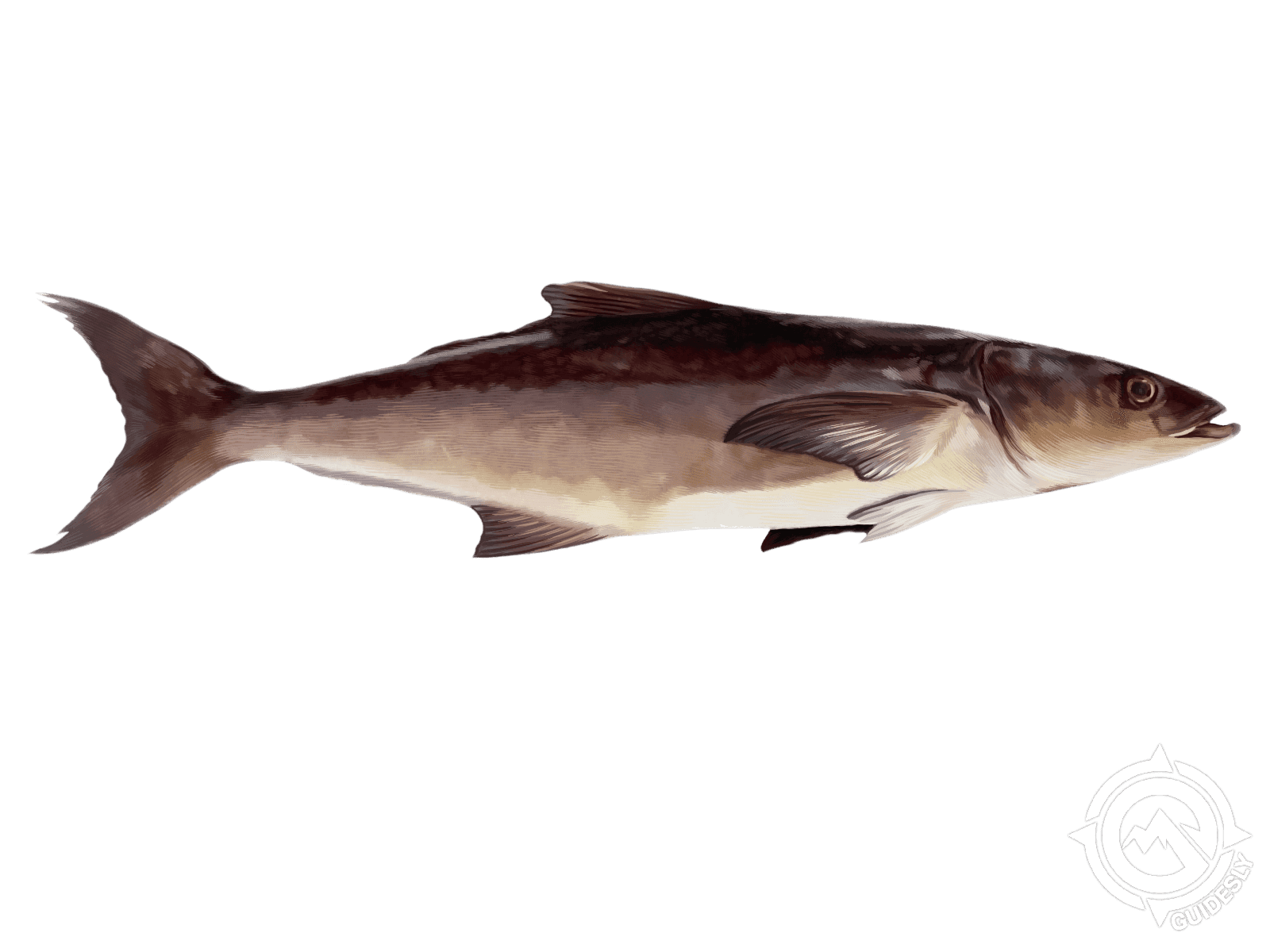
Cobia show up consistently from spring through fall, and these fish are absolute bruisers. They typically range from 20-40 pounds in these waters, cruising along the bottom or following rays and sharks looking for an easy meal. The cool thing about cobia is that you can often sight-fish for them – the guide will pole or drift quietly while you scan the water for their distinctive brown shape. When you spot one, it's all about making an accurate cast and getting the bait in front of them without spooking the fish. They're curious by nature, so they'll often follow a lure or bait before deciding to eat. The fight is powerful and sustained – think strong, steady pulls rather than flashy jumps.
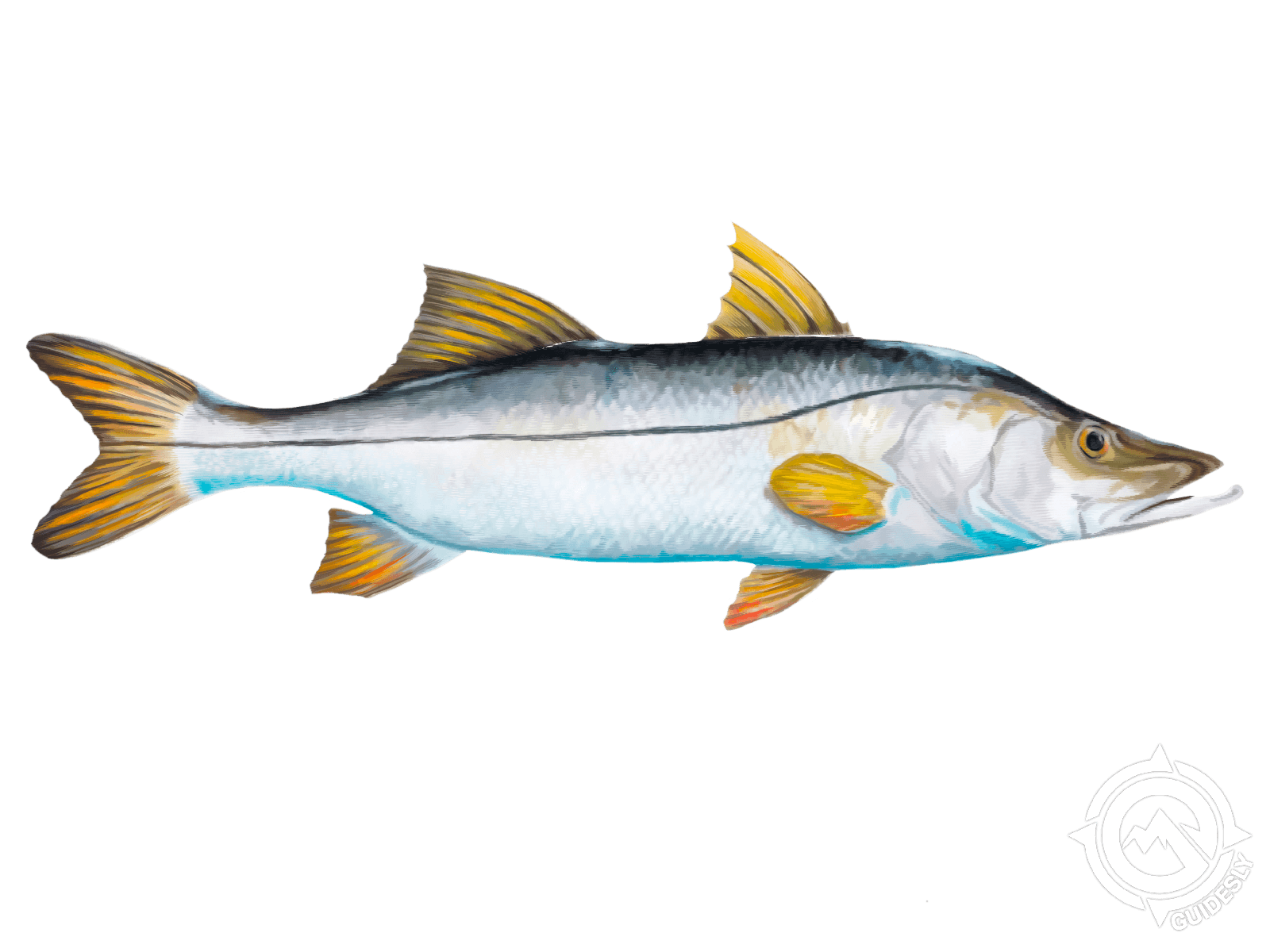
Snook are the locals' favorite, and once you hook one, you'll understand why. These fish are ambush predators that hang around structure – docks, mangrove shorelines, creek mouths, and anywhere there's current and cover. They're incredibly sensitive to water temperature, so timing and location are crucial. The guide knows which spots produce during different seasons and tide stages. Snook have a huge mouth and aren't shy about using it, but they're also notorious for their gill-rattling jumps and their ability to throw the hook if you're not careful with your drag settings.
Tarpon, even the smaller ones you'll encounter here, are pure adrenaline. These silver kings can show up year-round in Homosassa's warmer waters, though they're most common from late spring through early fall. Baby tarpon in the 10-30 pound range are perfect for building confidence, while still providing the aerial acrobatics that make tarpon fishing legendary. They often roll on the surface, giving away their location, and they're suckers for well-presented live bait or slow-moving lures.
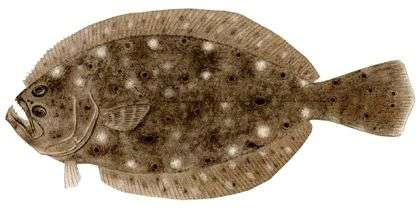
Summer flounder might surprise you with their fighting ability relative to their size. These flatfish are masters of camouflage, lying buried in sandy areas waiting for prey to swim overhead. They require a different approach – usually bouncing bait along the bottom or working soft plastics with a lift-and-drop retrieve. Once hooked, they make determined runs and can be tricky to land due to their flat profile and tendency to shake their heads.
Time to Book Your Spot
This
Learn more about the species
Cobia
Cobia are the brown sharks that aren't sharks - these bruisers average 30-50 pounds and stretch 4-5 feet long. Around Homosassa, we find them cruising shallow reefs, around crab trap floats, and near any structure in 15-40 feet of water. Spring migration from March through May gives you the best shots at multiple fish, though we see them year-round. What makes cobia special is their curiosity - they'll actually follow the boat and investigate lures, giving you multiple chances. They're also phenomenal eating with firm, white meat that rivals any fish in these waters. These fish fight hard and long with powerful runs. Here's the trick: when you spot one, don't get excited and cast right at it. Lead them by 10 feet and work your lure slowly past their nose - they'll usually turn and crush it.
Redfish
Redfish are our bread and butter species around Homosassa's shallow flats. These copper-colored bruisers with the signature black spots near their tails typically run 20-30 inches and put up a serious fight. You'll find them tailing in 1-4 feet of water around oyster bars, grass flats, and mangrove shorelines. They're year-round residents, but spring and fall offer the most consistent action when they're feeding heavily. What guests love about reds is their willingness to eat and their bulldogging fights - they'll make long runs and test your equipment. They're also fantastic on the table with firm, sweet meat. Pro tip: look for nervous water or muddy spots where they're rooting around for crabs. A well-placed live shrimp or gold spoon near these feeding signs usually gets hammered.
Snook
Snook are one of our most popular inshore targets around Homosassa Beach. These sleek, golden fish with the distinctive black lateral line typically run 18-28 inches, though bigger ones lurk in deeper cuts. You'll find them hanging around mangroves, docks, and creek mouths in 2-8 feet of water. They love structure and ambush spots where they can surprise baitfish. Spring through fall gives you the best action, especially around moving tides. What makes snook special is their explosive strike and powerful runs - they'll test your drag for sure. Plus, they're excellent table fare with firm, white meat. Here's a local tip: cast your bait or lure past the structure and work it back slowly. Snook are spooky, so keep noise down and stay back from the cover.
Summer Flounder
Summer flounder are masters of disguise on our sandy bottoms and grass edges. These flatfish typically run 15-20 inches and can change color to match their surroundings perfectly. Look for them in 6-15 feet of water around drop-offs, channel edges, and anywhere the bottom transitions from grass to sand. Fall months from September through November give you the best shot at bigger fish as they fatten up. What makes flounder fishing fun is the challenge - they're ambush feeders that grab bait and run with it before swallowing. They're also some of the best eating fish in these waters with sweet, flaky white meat. The key is using a slow drift with live bait or bucktail jigs bounced along the bottom. Give them time to fully take the bait before setting the hook.
Tarpon
Tarpon are the giants of our inshore waters, averaging 80-150 pounds and stretching 4-6 feet long. These silver kings cruise our grass flats and deeper channels, especially around creek mouths and structure in 8-20 feet of water. The best fishing happens May through September when they're most active in the warmer months. What draws anglers to tarpon is their legendary jumps - they'll launch themselves 8 feet out of the water trying to throw your hook. It's pure adrenaline when one takes off. Most folks practice catch and release since the meat isn't great eating. My advice: when you hook one, bow to the king during those jumps by lowering your rod tip toward the fish. This keeps tension off the line and prevents break-offs during their acrobatics.
About the Sea Ark
%2F%2Fusers%2F149096c0-66d1-4d84-a7a6-753e213df080%2Fvehicle_picture%2Fsea_ark.jpg&w=1920&q=75)
Vehicle Guest Capacity: 6
Manufacturer Name: Mercury
Maximum Cruising Speed: 35
Number of Engines: 1
Horsepower per Engine: 225
Perfect for two anglers ready to learn the ropes in Homosassa Beach's prime redfish waters. This 6-hour private charter puts you right in the action with an experienced local captain who knows exactly where these copper-colored fighters hang out. You'll work the grass flats and winding backcountry creeks using both live bait and artificial lures, adjusting techniques based on the tides and what's biting that day. Great for beginners wanting hands-on instruction while targeting redfish, cobia, trout, and snook in the shallow waters off Florida's Nature Coast. All your gear, tackle, and fishing licenses are included, so just bring yourself and get ready to land some serious fish in these productive inshore waters.