%2Ffit-in%2F250x250%2Fguide_websites%2F10666%2Fimages%2Fbwc.jpeg&w=1920&q=100)
Mangrove Fishing in Homosassa Florida
Mangrove Fishing Around Homosassa - What to Expect
%2F%2Fusers%2F149096c0-66d1-4d84-a7a6-753e213df080%2Fimages%2Fhomosassa-mangrove-fishing-waters-2454.jpg&w=1920&q=75)
Fishing Charter by Captain Randy Cribbs in May
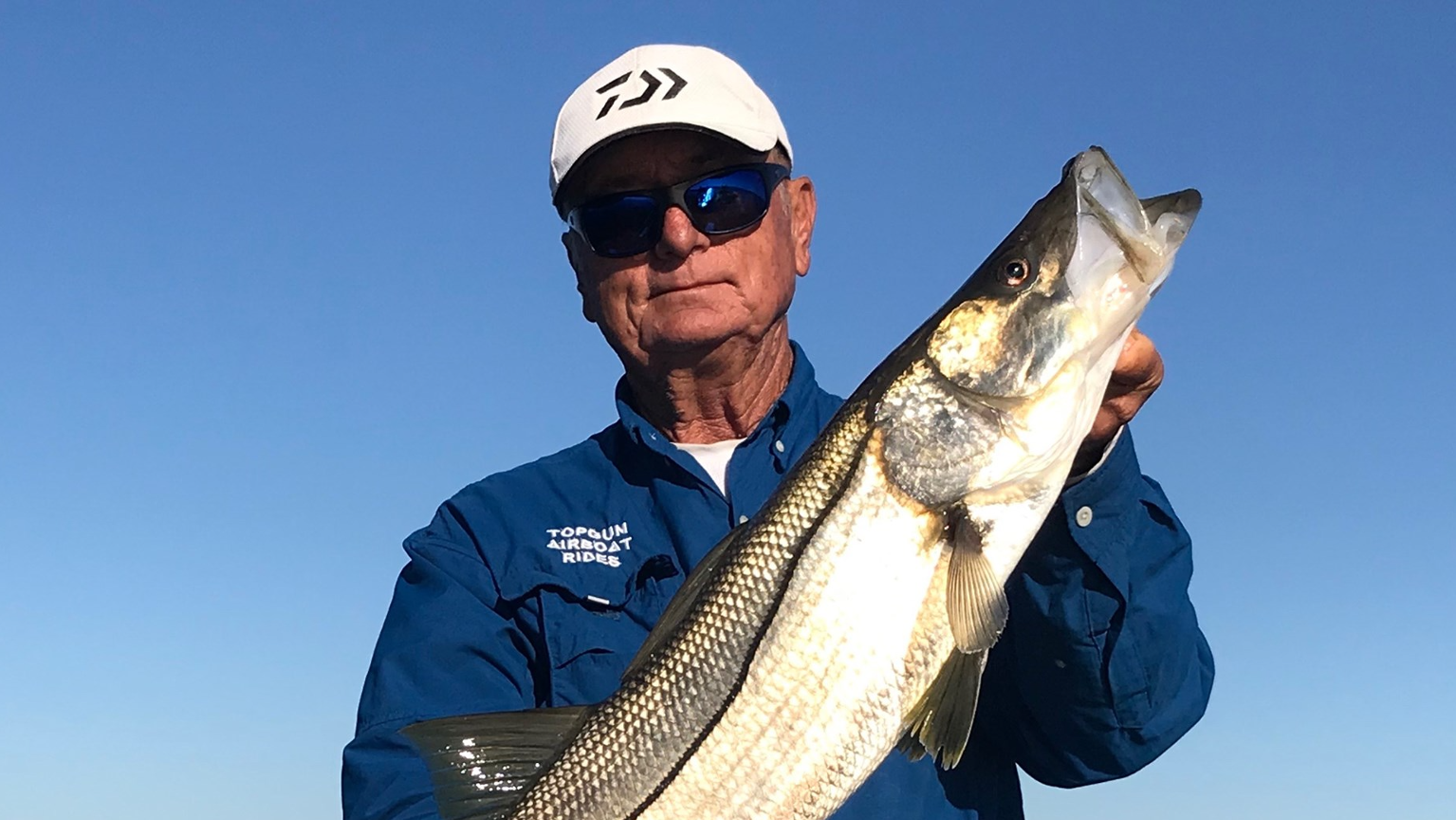
- Explore Florida's Fishing and Scalloping Haven


Summary
Discover mangrove fishing in Homosassa, Florida on a Friday in May with Captain Randy Cribbs. This guided fishing charter takes you into shallow coastal waters where mangrove ecosystems create ideal fishing grounds. Learn what makes these productive habitats special and why anglers return to these waters.
Fishing Charter with Captain Randy Cribbs - Rates & Booking
Captain Randy Cribbs of BWC Charters offers guided fishing experiences in Homosassa's mangrove waters on a Friday in May. Fishing in these shallow coastal areas requires knowledge of tidal movements, fish behavior, and habitat navigation - expertise that comes from years of local experience. Contact Buccaneer West Coast Charters to inquire about availability, group sizing, and current rates for your mangrove fishing adventure. Reserve your spot today to secure your preferred date on the water.
Highlights of Mangrove Fishing
The mangrove-lined coastal waters near Homosassa present one of Florida's most dynamic fishing environments. These shallow areas create natural habitat corridors where fish congregate to feed, hunt, and shelter. The dense root systems and brackish water conditions support diverse species and attract both recreational and experienced anglers seeking productive shallow-water fishing.
Your time on the water reveals why local guides prefer these mangrove zones. The natural structure provides protection for fish populations while offering anglers multiple presentation opportunities. Fishing through narrow channels and around root systems requires technique and precision - skills that make mangrove fishing both challenging and rewarding.
Mangrove Ecosystems and Shallow-Water Fishing
Mangrove forests function as nurseries and feeding grounds for numerous fish species. The intricate root systems create complex underwater structure that fish use for shelter and hunting. When you fish mangrove waters, you're working within an ecosystem engineered over generations to support aquatic life.
The shallow depths characteristic of mangrove areas - typically 2 to 8 feet - require different techniques than open-water fishing. Light tackle, accurate casting, and quiet approaches work better here because fish can detect disturbances more easily in shallow water. The confined spaces demand precision, but they also concentrate feeding fish into specific zones where skilled anglers can focus their efforts.
Tidal movement significantly influences mangrove fishing success. Incoming tides push water through the root systems, triggering feeding activity. Outgoing tides concentrate fish in deeper channels as they move out. Understanding these tidal patterns helps explain why timing matters so much when planning your day on the water.
The brackish water found in many mangrove areas - a mixture of salt and fresh water - creates unique conditions. Fish species adapted to these conditions display behavior patterns different from purely saltwater environments. Observing how species respond to salinity changes, structure, and tidal flows teaches valuable lessons about fish ecology and habitat preference.
Captain Randy's local knowledge covers decades of observation in these specific mangrove zones. Guides like Randy understand subtle indicators - water clarity, wind direction, seasonal patterns, and structural changes - that help predict where fish will concentrate on any given day. This expertise transforms a fishing trip into an educational experience where you learn not just how to catch fish, but why fishing works the way it does in mangrove environments.